Plant Sugar Snap Peas for Spring: Grow More & Save Money
As the last remnants of winter fade and the soil begins to warm, a vibrant energy awakens in gardeners everywhere. For many, this marks the eagerly anticipated season for
planting sugar snap peas for spring. There's a special joy in cultivating these sweet, crunchy pods right in your own backyard – a joy that far surpasses any store-bought alternative. Beyond the unparalleled flavor and freshness, growing your own sugar snap peas offers a tangible way to reduce grocery bills and ensure a steady supply of nutritious, homegrown goodness throughout the spring and early summer.
The enthusiasm for planting sugar snap peas is infectious, and for good reason. From a small handful of seeds, you can quickly transform a modest garden space into a prolific haven of crisp, edible pods. Whether you're dedicating an entire raised bed or tucking them into containers on a patio, the rewards are immense. Imagine stepping outside and plucking a handful of juicy, sweet peas, still warm from the sun, ready to be enjoyed straight off the vine. It’s an experience that truly connects you to your food and the rhythm of the season.
Why Sugar Snap Peas Are a Spring Garden Must-Have
There are countless reasons why sugar snap peas earn a top spot in nearly every spring garden plan, embodying the very essence of "grow more, save money."
First and foremost, the *taste* is simply superior. Homegrown sugar snap peas boast a sweetness and crispness that often diminishes during the journey from farm to grocery store. When you harvest them yourself, you capture them at their peak, ensuring an explosion of flavor with every bite. This freshness also means maximum nutritional value, packed with vitamins A, C, and K, as well as fiber and antioxidants.
Economically, planting sugar snap peas for spring is a smart move. The cost of fresh, organic sugar snap peas at the market can add up quickly. A single packet of seeds, which might cost just a few dollars, can yield pounds of peas, providing a significant return on your minimal investment. This allows you to "grow more" than you could ever justify buying, helping you "save money" consistently.
Beyond the pods, sugar snap peas offer another delicious bonus: pea shoots. These tender, nutrient-rich greens can be harvested from young plants or from spent plants, offering a delicate, sweet-pea flavor perfect for salads, stir-fries, or garnishes. It's like getting two harvests from one planting, further enhancing the value of your efforts.
Finally, sugar snap peas are remarkably easy to grow, making them ideal for both seasoned gardeners and beginners. They tolerate cool weather, mature relatively quickly, and with a little preparation, practically grow themselves. Their climbing nature also adds a beautiful vertical element to your garden design.
Timing is Everything: When to Start Planting Sugar Snap Peas for Spring
Success with sugar snap peas largely hinges on timing. These cool-season vegetables thrive in moderate temperatures and can even withstand a light frost, making them perfect candidates for early spring planting. The ideal window for
planting sugar snap peas for spring is as soon as the soil can be worked, typically 4-6 weeks before the last expected frost date in your region. Look for soil temperatures to be consistently above 45°F (7°C).
While peas can tolerate some cold, they are sensitive to hot weather. As temperatures climb above 80°F (27°C), pea production tends to slow down and eventually cease. To maximize your harvest, consider succession planting. By sowing a new batch of seeds every 2-3 weeks in early spring, you can enjoy a continuous supply of fresh peas rather than one large flush. This strategy ensures you "grow more" over a longer period.
When selecting a location, choose a spot that receives full sun – at least 6-8 hours of direct sunlight per day. Sugar snap peas also prefer well-draining soil that's rich in organic matter. Amending your garden beds with compost before planting will provide essential nutrients and improve soil structure, setting your pea plants up for success.
From Seed to Soil: The Smart Way to Plant Your Sugar Snap Peas
To truly get ahead and ensure a robust harvest when
planting sugar snap peas for spring, a few smart techniques can make all the difference.
Pre-sprouting for a Head Start
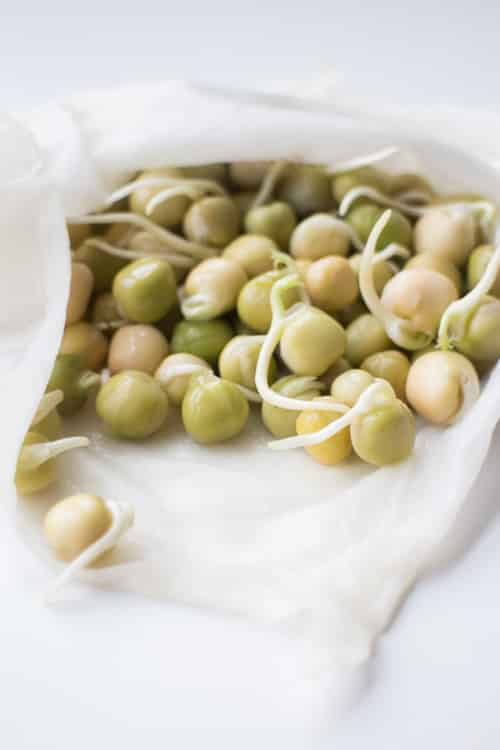
One of the most effective ways to boost germination rates and reduce stress is by *pre-sprouting* your pea seeds indoors. This simple process allows you to visually confirm viability before planting, saving you time and seeds. To pre-sprout:
1. **Soak:** Place your pea seeds in a bowl of room-temperature water for 12-24 hours. This softens the seed coat and kick-starts the germination process.
2. **Bag It:** After soaking, drain the water and place the seeds in a damp paper towel. Fold the towel around the seeds and tuck it into a resealable plastic bag.
3. **Wait & Watch:** Keep the bag in a warm spot (around 70°F/21°C). Within a few days, you should see small rootlets (radicles) emerging from the seeds.
4. **Plant:** Once the radicles are about ¼ to ½ inch long, your seeds are ready for planting.
This method almost guarantees successful germination once planted outdoors, preventing the frustration of seeds rotting underground. For a more detailed guide on this stress-reducing technique, check out our article on
Pre-Sprout Sugar Snap Peas for a Stress-Free Spring Garden.
The Power of Seed Inoculant
Before planting your pre-sprouted seeds, consider mixing them with a pea and bean inoculant. This powdered additive contains beneficial Rhizobia bacteria, which form a symbiotic relationship with pea roots. These bacteria convert atmospheric nitrogen into a form usable by the plants, essentially "fertilizing" them naturally.
Applying inoculant leads to:
*
Higher Nitrogen Levels: Encourages vigorous growth and lush foliage.
*
Bigger Plants: Healthier, stronger plants are more resistant to stress.
*
Increased Yield: Ultimately, more pods and a more abundant harvest.
Simply dampen your seeds slightly and toss them with the inoculant powder just before planting, ensuring the powder adheres to the seeds.
Choosing Your Growing Space and Support
Sugar snap peas are climbers! Providing a sturdy support structure is crucial for a healthy harvest. Fences, trellises, stakes, or even tomato cages work wonderfully. Position your chosen support before planting to avoid disturbing young seedlings. For raised beds or container gardens, a compact trellis or teepee can be highly effective.
When it's time to plant:
1. **Prepare the Soil:** Ensure your soil is loose, well-draining, and amended with compost.
2. **Create Trenches or Holes:** For rows, dig a shallow trench about 1-2 inches deep. For more intensive planting in raised beds, you can poke individual holes.
3.
Spacing: Place your pre-sprouted, inoculated pea seeds about 2-4 inches apart along the trench or in individual holes. This provides enough space for strong root development and good air circulation.
4. **Cover and Water:** Gently cover the seeds with about 1-2 inches of soil, press down lightly to ensure good seed-to-soil contact, and then give them a thorough watering.
For an even more comprehensive walkthrough of the planting process, you might find our guide
Grow Delicious Sugar Snap Peas This Spring: 3 Easy Steps helpful.
Nurturing Your Pea Plants for Abundant Harvests
Once your sugar snap pea seeds are in the ground, consistent care will ensure a bountiful yield.
**Watering:** Pea plants need consistent moisture, especially during flowering and pod development. Aim for about 1 inch of water per week, either from rain or irrigation. Avoid overhead watering if possible to prevent fungal diseases; instead, water at the base of the plants.
**Weeding:** Keep the planting area free of weeds, which compete with your pea plants for water and nutrients. Mulching around the base of the plants can help suppress weeds and retain soil moisture.
**Support:** As your pea plants grow, their tendrils will instinctively reach out for something to climb. Gently guide them towards your trellis or fence if they seem to be struggling to find purchase.
**Harvesting:** This is the most rewarding part! Sugar snap peas are ready for harvest when their pods are plump, firm, and bright green. Don't wait too long, as overripe pods can become starchy. Harvest regularly – typically every 1-2 days – as this encourages the plant to produce even more pods, extending your harvest season and truly allowing you to "grow more." Simply snap the peas off the vine with your fingers, being careful not to damage the plant.
Within a week or so after planting, you'll likely spot the first tiny shoots pushing through the soil. This exciting moment signals the beginning of your journey to fresh, homegrown sugar snap peas.
Conclusion
Planting sugar snap peas for spring is more than just a gardening task; it's an investment in flavor, health, and financial savings. By following these simple steps – from pre-sprouting and inoculating to providing proper support and consistent care – you can transform a handful of seeds into a prolific source of delicious, crunchy pods. This spring, embrace the joy of growing your own, and discover firsthand how truly satisfying it is to "grow more" fresh produce and "save money" while doing it. Happy planting!